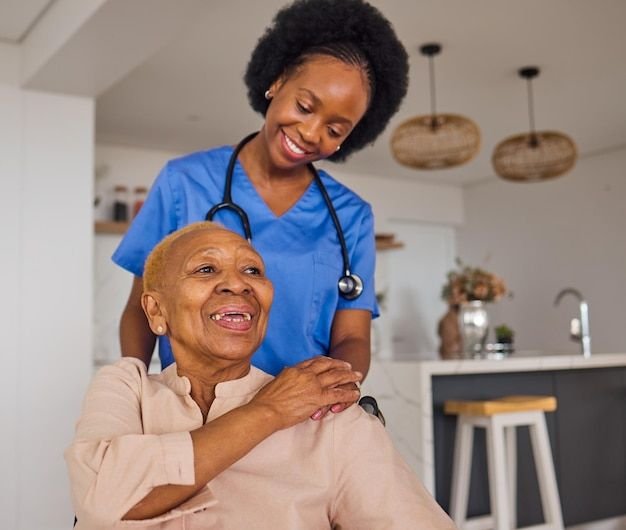
The United States is facing one of the most severe nursing shortages in its modern history — and hospitals across the country are responding by recruiting internationally trained nurses at a pace not seen in decades.
For qualified nurses abroad, this moment represents a genuine career-defining opportunity. American hospitals are offering competitive six-figure salaries, comprehensive health insurance, green card sponsorship through the EB-3 visa pathway, and full relocation packages that cover everything from flights to temporary housing.
If you have a nursing degree, clinical experience, and the ambition to build a career in one of the world’s most advanced healthcare systems, the doors are open. This guide gives you everything you need: where the jobs are, what you’ll earn, how visa sponsorship works, and the exact steps to get hired.
Why Foreign Nurses Are in High Demand in the USA
The U.S. Bureau of Labor Statistics projects a need for more than 200,000 additional nurses by 2026. That number isn’t a bureaucratic estimate — it reflects a real, widening gap between patient demand and available nursing staff.
Several forces are driving this shortage simultaneously.
America’s population is aging faster than its nursing workforce can grow. Baby Boomers are entering their 70s and 80s in large numbers, driving up hospital admissions, long-term care needs, and specialist demand across every state.
At the same time, the pandemic accelerated a wave of nurse burnout and early retirements. Experienced nurses left the profession in record numbers between 2020 and 2023, and the domestic pipeline of new nursing graduates has not come close to filling the gap.
Rural and underserved communities face the deepest shortages. In states like Mississippi, West Virginia, and Montana, hospitals are operating with chronic understaffing that has pushed them to look overseas for qualified staff.
International nurse recruitment is now a mainstream strategy — not a stopgap. Major hospital systems have built dedicated international recruitment divisions, partnered with global staffing agencies, and established clear visa sponsorship programs that are funded, operational, and accepting applicants now.
Highest Paying Nursing Jobs in the USA in 2026
Nursing salaries in the United States vary significantly by specialization. Nurses who develop expertise in high-acuity areas command the strongest salaries, attract the most visa sponsorship, and typically receive the most generous relocation packages.
1. ICU Nurses (Critical Care)
Intensive Care Unit nurses are among the most urgently needed healthcare professionals in the U.S. healthcare system. Their ability to manage complex, critically ill patients makes them exceptionally valuable.
- Salary range: $85,000 – $130,000 per year
- Demand level: Extremely high — shortages reported in all 50 states
- Sponsorship availability: Very strong; most major hospital systems actively sponsor ICU nurses
- Overtime opportunities: Substantial; ICU units frequently offer premium overtime rates
- Relocation packages: Often include signing bonuses of $10,000 – $25,000, temporary housing, and travel reimbursement
2. Emergency Room (ER) Nurses
ER nurses work in fast-paced, high-stakes environments and are in persistent shortage across both urban trauma centers and rural community hospitals.
- Salary range: $80,000 – $120,000 per year
- Demand level: High and growing, especially in underserved regions
- Sponsorship availability: Strong; ER experience is a significant advantage in visa sponsorship applications
- Overtime opportunities: High; shift premiums and overtime pay are common
- Relocation packages: Competitive; many employers offer housing assistance and travel allowances
3. Operating Room (OR) / Perioperative Nurses
Surgical volumes have surged as hospitals clear backlogs of elective procedures delayed during the pandemic. OR nurses with perioperative experience are now among the most actively recruited specialists in 2026.
- Salary range: $82,000 – $125,000 per year
- Demand level: Critical; the shortage is especially acute in surgical specialties
- Sponsorship availability: Excellent; OR experience often accelerates sponsorship timelines
- Overtime opportunities: High, given the volume of scheduled surgical cases
- Relocation packages: Generous; multi-state health systems offer comprehensive relocation support
4. Nurse Practitioners (NPs)
Family Nurse Practitioners and Acute Care Nurse Practitioners are in extraordinary demand, particularly in primary care settings serving rural and underserved populations.
- Salary range: $110,000 – $160,000 per year
- Demand level: Exceptionally high in rural states and federally qualified health centers
- Sponsorship availability: Strong; NPs qualify for H-1B visa sponsorship due to advanced degree requirements
- Overtime opportunities: Moderate; many NP roles are salaried but include productivity bonuses
- Relocation packages: Premium; rural and critical shortage area employers offer the most generous packages
Nurse Salary USA 2026: State-by-State Breakdown
One of the biggest reasons foreign nurses relocate to the United States is the strong earning potential. Sponsored Registered Nurses in the USA can earn between $65,000 and $120,000 annually depending on experience, specialization, hospital system, and location.
California remains the highest-paying state for nurses, with many experienced RNs earning between $110,000 and $120,000 yearly. New York and Massachusetts also offer strong salaries, especially in major teaching hospitals and specialty care units. Meanwhile, states like Texas, Ohio, Arizona, and Minnesota provide an excellent balance between salary and lower living costs, helping many foreign nurses save more money long term.
| State | Average RN Salary | Cost of Living | Overall Value |
|---|---|---|---|
| California | $110,000 – $120,000 | High | Strong |
| New York | $85,000 – $105,000 | High | Moderate–Strong |
| Texas | $70,000 – $90,000 | Moderate | Strong |
| Florida | $65,000 – $85,000 | Moderate | Strong |
| Washington | $90,000 – $115,000 | High | Strong |
| Minnesota | $75,000 – $95,000 | Moderate | Very Strong |
| Ohio | $70,000 – $88,000 | Low–Moderate | Very Strong |
| Illinois | $72,000 – $92,000 | Moderate | Strong |
| Arizona | $75,000 – $95,000 | Moderate | Very Strong |
| Massachusetts | $85,000 – $108,000 | High | Moderate–Strong |
Beyond base salary, many sponsored nurses significantly increase their income through:
- Overtime pay in high-demand hospital units
- Signing bonuses for specialized nursing roles
- Evening, night, and weekend shift differentials
- Per diem and agency nursing shifts with premium hourly rates
Specialized nurses working in ICU, ER, anesthesia, or operating room units can often earn thousands of dollars more monthly through overtime and agency shifts.
Most sponsored healthcare packages also include valuable benefits such as:
- Health, dental, and vision insurance
- Paid vacation and holiday leave
- Retirement and 401(k) plans
- Education and certification funding
- Relocation assistance
- Temporary accommodation support
For many internationally trained nurses, the combined value of salary, overtime earnings, relocation support, and healthcare benefits can provide significantly higher earning potential than nursing careers in their home countries.
Top USA Healthcare Companies Hiring Foreign Nurses
The United States continues to experience a major nursing shortage, pushing many hospitals and healthcare systems to actively recruit foreign nurses through EB-3 and H-1B visa sponsorship programs. These employers offer competitive salaries, relocation assistance, healthcare insurance, and long-term career opportunities for internationally trained nurses.
Some of the top healthcare companies sponsoring foreign nurses in 2026 include:
- HCA Healthcare — Nationwide (35+ states)
Sponsorship Type: EB-3
One of the largest healthcare employers in America, operating over 185 hospitals and actively recruiting foreign nurses across multiple specialties. - Mayo Clinic — Minnesota
Sponsorship Type: EB-3, H-1B
Globally recognized hospital system with strong international recruitment programs for qualified nurses. - Kaiser Permanente — California & 8 states
Sponsorship Type: EB-3, H-1B
Major healthcare network sponsoring nurses for high-demand clinical roles. - Cleveland Clinic — Ohio
Sponsorship Type: EB-3, H-1B
Well known for advanced healthcare services and international nurse recruitment. - Johns Hopkins Medicine — Maryland
Sponsorship Type: EB-3, H-1B
Prestigious healthcare and research institution actively hiring foreign nurses. - NewYork-Presbyterian — New York
Sponsorship Type: EB-3, H-1B
One of New York’s largest healthcare employers with regular sponsorship opportunities. - Mass General Brigham — Massachusetts
Sponsorship Type: EB-3, H-1B
Operates leading teaching hospitals with strong support for internationally trained nurses. - Northwestern Memorial — Illinois
Sponsorship Type: EB-3 - Advocate Health — Illinois / Wisconsin
Sponsorship Type: EB-3 - Yale New Haven Health — Connecticut
Sponsorship Type: EB-3, H-1B
These hospital systems remain among the best options for foreign nurses seeking healthcare jobs in the USA with visa sponsorship and green card opportunities.
Visa Sponsorship Options for Foreign Nurses
Understanding your visa pathway before you apply is essential. Different visas suit different nursing roles, and choosing the right path determines your timeline and long-term eligibility for a green card.
EB-3 Immigrant Visa (Green Card Pathway)
The EB-3 employment-based immigrant visa is the primary pathway for internationally educated registered nurses entering the U.S. workforce. Unlike temporary work permits, the EB-3 leads directly to permanent residency — a green card.
The employer initiates the process by filing a PERM labor certification with the Department of Labor, followed by an immigrant petition with USCIS. Once a visa number becomes available, the nurse receives permanent residency.
- Processing time: Typically one to three years, depending on the applicant’s country of birth and current visa bulletin priority dates.
- Best for: Registered Nurses (RNs) in all specialties — ICU, ER, Med-Surg, OR, and more.
- Key advantage: Permanent residency from the outset — no renewal requirement, no lottery, no cap.
H-1B Visa (Specialty Occupation)
The H-1B is a temporary work visa restricted to roles classified as specialty occupations — meaning they require at least a bachelor’s degree in a specific field. For nursing, this effectively limits H-1B eligibility to advanced practice nurses: Nurse Practitioners (NPs), Certified Registered Nurse Anesthetists (CRNAs), and Clinical Nurse Specialists (CNS).
Standard RN positions generally do not qualify under H-1B rules.
- Important advantage: Teaching hospitals, academic medical centers, and many nonprofit health systems are H-1B cap-exempt. This means they can file H-1B petitions at any time during the year without entering the annual lottery — a significant advantage for advanced practice nurses.
- Best for: Nurse Practitioners, CRNAs, Clinical Nurse Specialists.
TN Visa (Canada and Mexico Only)
The TN visa, available under the CUSMA/USMCA agreement, offers Canadian and Mexican nurses a fast, straightforward path to U.S. employment. There is no lottery, no labor market test, and no lengthy petition process — eligible nurses apply directly at the port of entry.
Best for: Canadian and Mexican RNs who can provide documentation of a qualifying nursing degree and a valid job offer.
VisaScreen Certificate
Regardless of which visa you pursue, a VisaScreen Certificate from the Commission on Graduates of Foreign Nursing Schools (CGFNS) is mandatory. Without it, no healthcare-related visa will be approved. The certificate confirms that your nursing education, licensure, and English language ability meet U.S. standards.
Best Nursing Staffing Agencies Sponsoring Foreign Nurses
For nurses who prefer structured agency support over direct hospital applications, several specialized recruitment agencies offer end-to-end immigration, credentialing, and placement services.
Avant Healthcare Professionals is widely regarded as the most comprehensive agency for internationally educated nurses. Avant manages the entire process — from CGFNS credential evaluation and NCLEX preparation through visa filing, state licensing, relocation logistics, and cultural orientation. They place nurses across major hospital systems in 30-plus states and are known for transparency throughout the process.
Health Carousel operates one of the largest international nurse pipelines in the U.S. Their dedicated immigration team manages EB-3 and H-1B filings on behalf of both the employer and the nurse, offering nurses a single point of contact from initial application through employment.
AMN Healthcare, headquartered in Dallas and one of the largest healthcare staffing companies in the country, reported a 300% increase in international nurse placements since the pandemic. AMN’s international division manages end-to-end placements across specialties and geographies nationwide.
Aya Healthcare (through its Next Nursing division) focuses on nurses from the Philippines and India for acute care hospital roles. Their process covers credentialing, immigration, travel logistics, and onboarding, with a stated commitment to consistent, honest communication.
When evaluating agencies, verify membership with the American Association of International Healthcare Recruitment (AAIHR) — its ethical code of conduct provides a baseline standard for reputable international recruitment.
Benefits for Sponsored Nurses in the USA
The compensation package for sponsored nurses in the U.S. extends well beyond salary. Understanding the full value of a sponsorship offer is essential when comparing employers.
Health Insurance
Most major hospital systems provide comprehensive health insurance from day one of employment. This typically includes medical, dental, and vision coverage — often with subsidized premiums that significantly reduce out-of-pocket costs. Family coverage is generally available and partially employer-funded.
Relocation Support
Relocation packages for internationally sponsored nurses frequently include:
- International airfare for the nurse and immediate family
- Ground transportation upon arrival
- Temporary housing for 30 to 90 days
- Household goods shipping assistance
- One-time relocation stipends ranging from $2,000 to $10,000
Retirement Plans
Most sponsoring employers offer 401(k) or 403(b) retirement savings plans, typically with an employer match of 3% to 6% of annual salary. For nurses building long-term financial security in the U.S., early enrollment in a matched retirement plan represents significant long-term wealth accumulation.
Housing Assistance
Beyond temporary relocation housing, some hospital systems — particularly those in rural or underserved areas — offer ongoing housing subsidies or partnerships with local landlords to help nurses secure longer-term accommodation at reduced cost.
Immigration Legal Support
Most major hospital systems and reputable agencies cover all legal fees associated with visa sponsorship, PERM filing, and green card processing. Nurses should confirm in writing that immigration costs are fully employer-paid, as fee structures vary.
Additional Benefits
- Paid time off (PTO) typically starts at 15–20 days per year
- Paid holidays (typically 6–10 days annually)
- Continuing education funding and tuition assistance
- NCLEX preparation support for newly arrived nurses
- Employee assistance programs (EAP) covering mental health and counseling services
Requirements for Foreign Nurses to Work in the USA
Meeting these requirements before you begin applying protects your timeline and signals to employers that you are ready for sponsorship without delays.
- Nursing Degree: A minimum of a diploma, associate degree, or bachelor’s degree in nursing from an accredited institution. Advanced practice roles (NP, CRNA) require a master’s degree. Credentials earned outside the U.S. must be evaluated by CGFNS to confirm equivalency to American standards.
- NCLEX-RN Examination: All nurses working in the U.S. must pass the NCLEX-RN. The first-attempt pass rate for internationally educated nurses averages around 47%, compared to approximately 82% for domestically trained nurses — making structured NCLEX preparation essential. Many agencies and hospitals cover NCLEX prep costs for sponsored candidates.
- State Nursing License: Following the NCLEX, nurses must obtain a license in their state of employment. Nurses who obtain a license in a Nurse Licensure Compact (NLC) state can practice across all compact states without obtaining additional licenses — providing significant flexibility.
- English Language Proficiency: Nurses from countries where English is not the primary language of nursing instruction must demonstrate proficiency through IELTS, TOEFL, or the CGFNS English test. Nurses trained in the Philippines, Nigeria, Ghana, Kenya, the UK, Ireland, Australia, or New Zealand often meet this requirement automatically.
- Clinical Experience: Most sponsoring employers require a minimum of one to two years of post-qualification clinical experience in an acute care setting. Candidates without this experience will find it significantly harder to secure full EB-3 or H-1B sponsorship.
- Criminal Record and Medical Clearance: Police clearance from the country of origin and a medical examination by a USCIS-approved physician are required as part of the visa application process.
How to Apply for Nursing Jobs With Visa Sponsorship in the USA
Applying for nursing jobs with visa sponsorship in the USA requires proper preparation, credential verification, and a clear understanding of the immigration process. Nurses who complete their documentation early and apply through verified healthcare employers usually have a much higher chance of securing sponsorship opportunities faster.
Many hospitals and healthcare staffing agencies now operate dedicated international recruitment programs, making it easier for qualified foreign nurses to access sponsored employment opportunities across the United States.
Step 1: Complete Your CGFNS Credential Evaluation
Submit your nursing qualifications to the Commission on Graduates of Foreign Nursing Schools for evaluation before applying anywhere. Most employers require this early in the application process, and completing it in advance removes a significant bottleneck from your timeline.
Step 2: Prepare Seriously for the NCLEX-RN
Register with the National Council of State Boards of Nursing (NCSBN) and invest in a structured NCLEX preparation program. Agencies such as Avant Healthcare and Health Carousel provide NCLEX prep support as part of their onboarding for sponsored nurses. Self-study alone is rarely sufficient — invest in quality preparation materials.
Step 3: Apply Through Verified Channels
Use the official careers portals of major health systems directly. Mayo Clinic, HCA Healthcare, Kaiser Permanente, and Cleveland Clinic all maintain dedicated international nursing sections. For agency placement, contact Avant Healthcare, Health Carousel, AMN Healthcare, or AYA Healthcare. Always verify an agency’s reputation through AAIHR before engaging.
Step 4: Be Transparent About Your Visa Status
When employers ask about work authorization, be clear and specific. Know which visa applies to your situation, understand the general timeline involved, and explain it concisely. Candidates who demonstrate familiarity with the EB-3 process actively reduce the perceived complexity of sponsoring them.
Step 5: Target Cap-Exempt Employers for Advanced Practice Roles
If you are a Nurse Practitioner, CRNA, or Clinical Nurse Specialist, prioritize applications to teaching hospitals, academic medical centers, and nonprofit health systems. These organizations are H-1B cap-exempt — meaning they can file your H-1B petition at any time of year, without entering the annual March lottery. This alone can save six months or more.
Conclusion
The United States needs foreign nurses — urgently, openly, and with the financial infrastructure to back it up. In 2026, qualified international nurses will have access to six-figure salaries, employer-paid green card sponsorship, full relocation support, and some of the most advanced clinical environments in the world.
The process is structured and achievable. Credential evaluation, NCLEX preparation, visa sponsorship, state licensing — each step has a clear path and well-established support resources, whether through a top-tier recruitment agency or directly through a major hospital system.
The nurses who succeed are those who start early, prepare seriously, and engage with verified employers and agencies. The opportunity is real. The shortages are not going away. And the rewards — financial, professional, and personal — are substantial for those who make the move. If you are a qualified nurse considering a career in the United States, 2026 is the right year to take the first step.